Valley Park, Missouri
Attic Mold Removal in Valley Park, MO
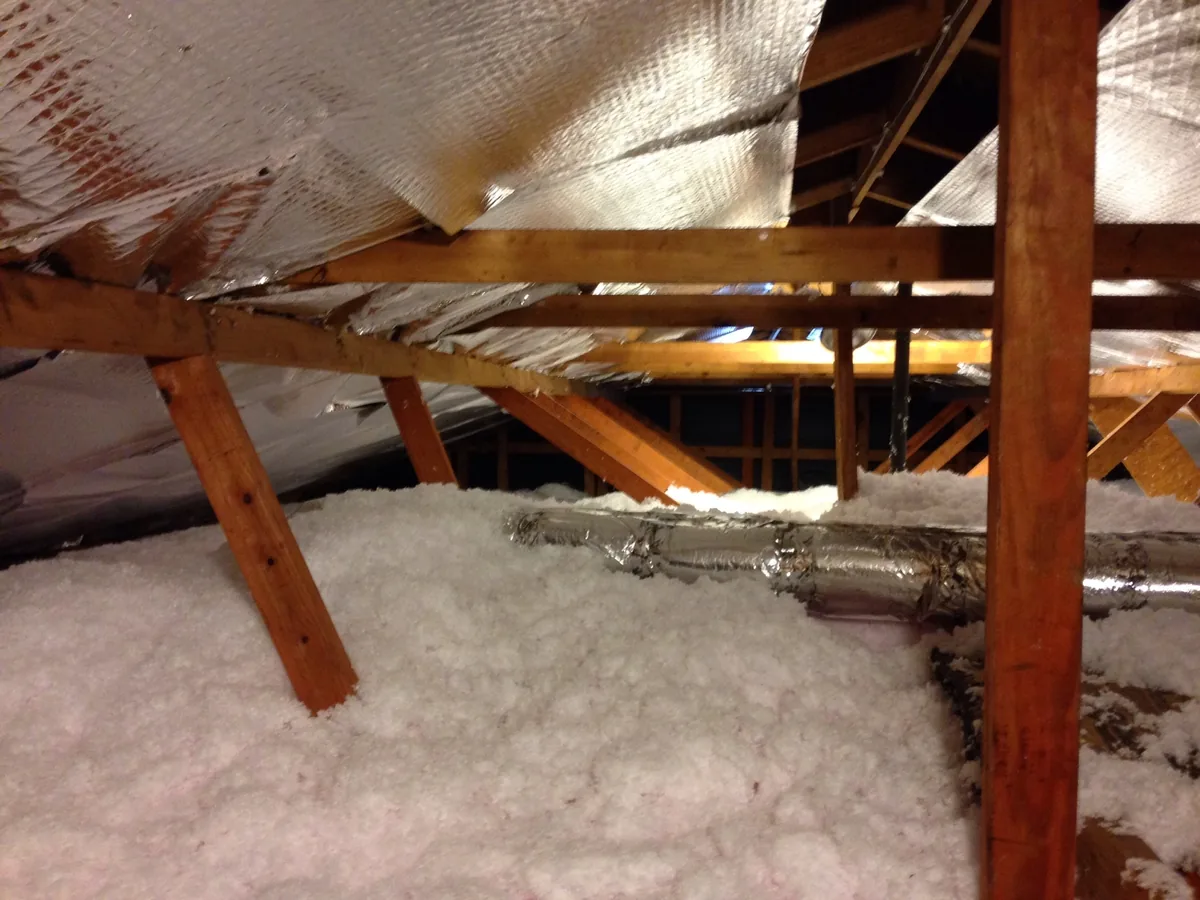
Attic mold removal in Valley Park addresses the moisture behind it: a roof leak, a bath fan venting into insulation, or interior air condensing on cold sheathing.
When you call
What happens when you call Valley Park's 24/7 line
Call (844) 352-3560 any hour. The line is answered 24/7 and insurance is accepted.
The process
The Attic Mold Removal process in Valley Park, MO
Inspect
Sheathing, rafters and insulation are checked for staining, and a moisture meter confirms whether the deck is wet or dried out.
Contain
The attic hatch is sealed and a HEPA air scrubber pulls the space negative, so spores do not settle into the rooms below.
Remove
Contaminated insulation is vacuumed and bagged out, then sheathing and framing are HEPA vacuumed, hand cleaned or soda blasted based on staining depth.
Ventilate
Blocked soffit baffles and bath fans terminating inside the attic are documented, since soffit to ridge airflow keeps the deck dry.
Verify
Cleaned wood gets an antimicrobial and a clear encapsulant, and readings confirm it is dry before containment comes down.
Why Valley Park homeowners call
Attic Mold Removal done to the IICRC S520 standard in Valley Park, MO
Ventilation is checked, not just visible mold
Blocked soffits and misrouted exhaust fans are identified, as they often cause the damp conditions.
Crew equipped for confined spaces
Attic work involves tight, low-clearance conditions, and technicians arrive prepared to work there safely.
Salvageable wood is preserved
Sheathing and rafters are cleaned, treated and encapsulated where possible, avoiding unnecessary removal.
Work is documented and accountable
Before and after photos, moisture readings and a written scope cover the entire affected attic area.
When to call
When to book Attic Mold Removal in Valley Park
- Musty smell at the attic hatch or in the top-floor hallway
- Dark streaking on roof sheathing noticed during a roof or solar inspection
- A bathroom fan that vents into the attic instead of outside
- Frost or condensation on the underside of the roof deck
- Insulation near the eaves appears matted, gray or damp
- A home inspection noted staining on the rafters
Any one of these is reason enough to call (844) 352-3560, the line is answered 24/7.
Scope of work
What the crew removes and treats in Valley Park homes
Roof sheathing (OSB or plank)
HEPA vacuumed, treated, then sealed with a clear encapsulant
Rafters and truss webs
Cleaned in place; framing is replaced only if structurally compromised
Blown-in cellulose
Vacuumed out and bagged where damp or contaminated
Fiberglass batts
Removed where compressed, stained or wet
Bath fan ducting
Noted when it terminates inside the attic cavity
Not sure how far the damage runs? Describe it on the phone at (844) 352-3560, the line is answered 24/7.
By location
Attic Mold Removal by city
Attic Mold Removal covers Valley Park and the whole Saint Louis County area. Pick your city for local detail and pricing.
Where the crews work
Attic Mold Removal across Valley Park & the Saint Louis County area
From Valley Park out to Twin Oaks, Manchester, Winchester, and the Saint Louis County area. The same crews, the same 24/7 line.
What it costs
Mold removal cost in Valley Park, MO
Every job is different, so these are the typical Missouri ranges. They are planning numbers, not a quote. Your price depends on how much mold there is, where it is, and what caused it.
A single moldy spot, a closet, or under a sink. The crew seals it off, removes it, and treats the surface.
A bathroom, kitchen, or bedroom with mold on a wall or ceiling, plus the moisture source fixed.
Larger areas that need more containment and drying. Common here after spring rain or a slow leak.
Mold across several rooms or after major water damage. The work runs in phases, room by room.
The surest way to get a firm number is to call and have the crew walk the space with you. Want a ballpark first? Try the instant mold remediation cost calculator. Filing a claim? Insurance is accepted and the contractor works with your carrier, so read the mold insurance claims guide.
Time and scope
How long Attic Mold Removal takes in Valley Park, and what is included
How long the job takes
The square footage of stained sheathing is a primary factor. Cleaning and encapsulating a few bays is quicker, while a full deck with insulation removal and air scrubbing takes more time.
What is included, what is booked separately
- Attic hatch containment with the space under negative air pressure
- HEPA vacuuming and antimicrobial treatment of sheathing and rafters
- Bagging and removal of contaminated insulation
- A clear encapsulant coat over cleaned wood
- Photos and moisture readings included in the written scope
Booked separately: Mold After Roof Leak, Mold Clearance Testing, Ceiling Mold Removal.
For a firm schedule and a written scope, call (844) 352-3560, the line is answered 24/7.
On the job
Mold remediation work in Valley Park homes
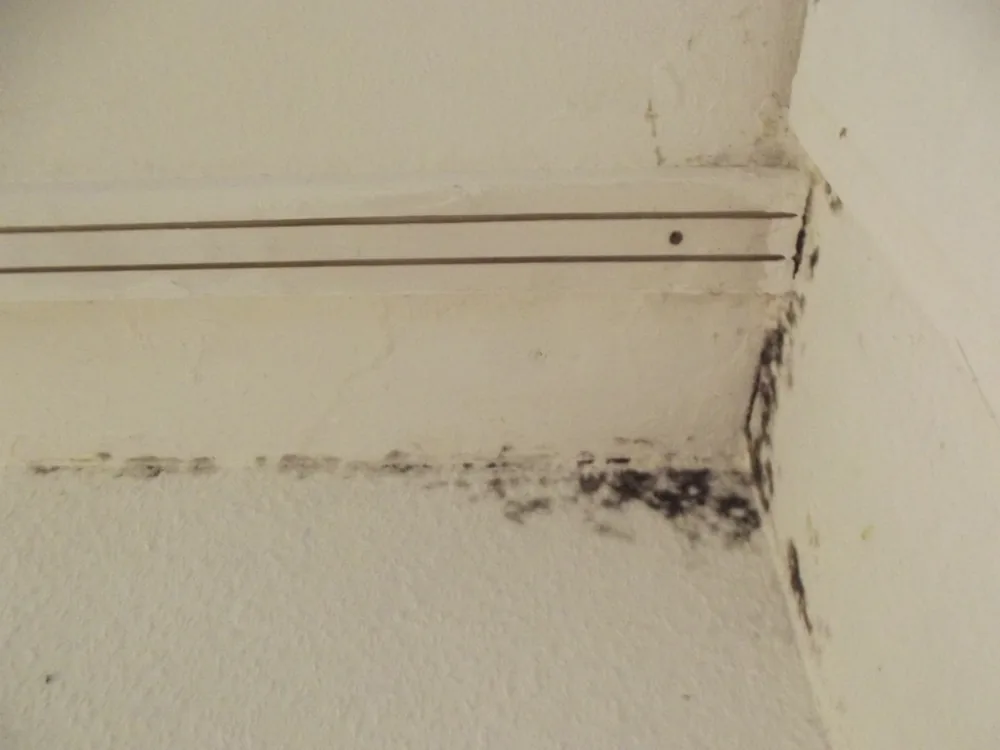


Why Attics Grow Mold in Valley Park's Climate
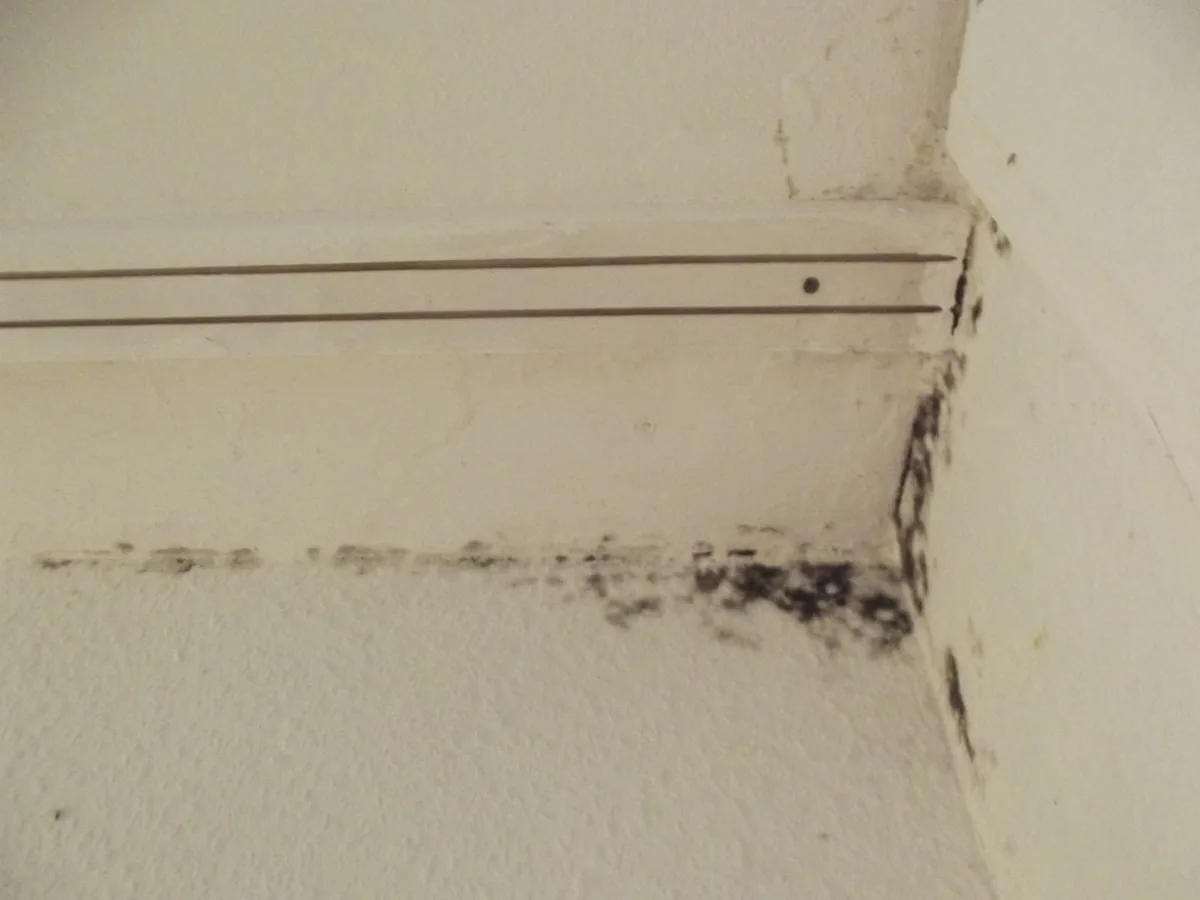
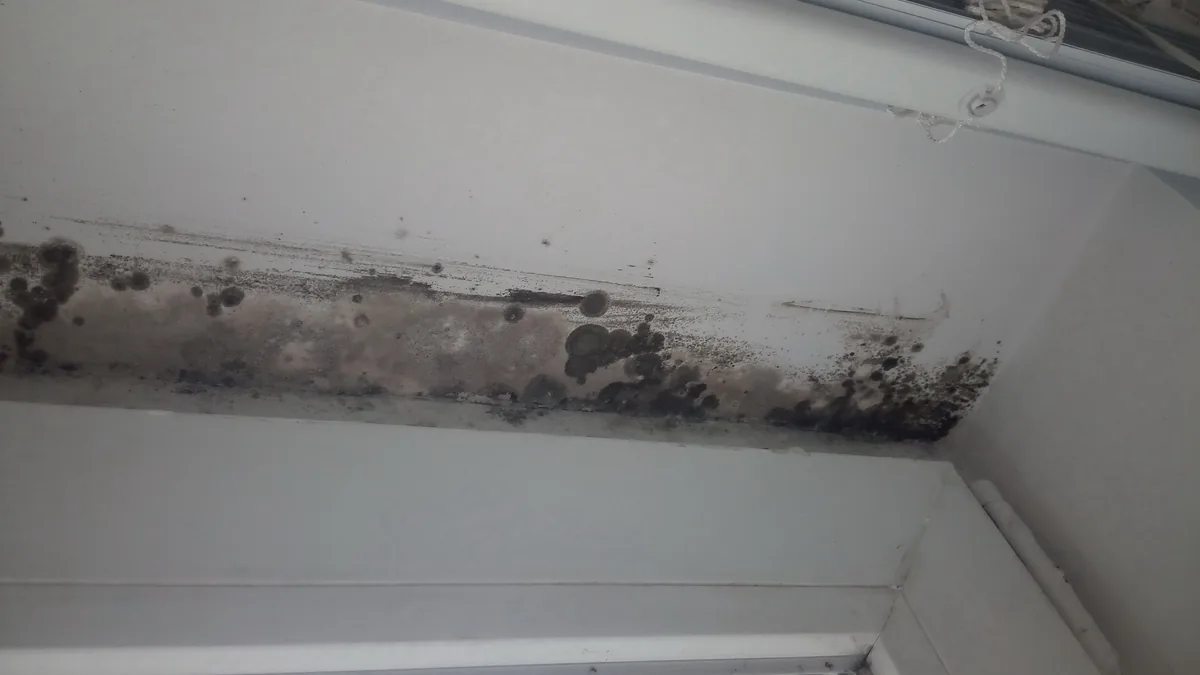
Missouri's climate includes humid stretches that raise indoor moisture. Attic mold here often comes from warm, moist air from inside the house getting trapped where it should not be.
A bathroom exhaust fan ducted into open attic space is a common cause found in Valley Park homes, especially where a remodel predates current venting codes.
Roof leaks around flashing, vent boots and aging shingles are another driver, often unnoticed until dark streaking is spotted on the sheathing.
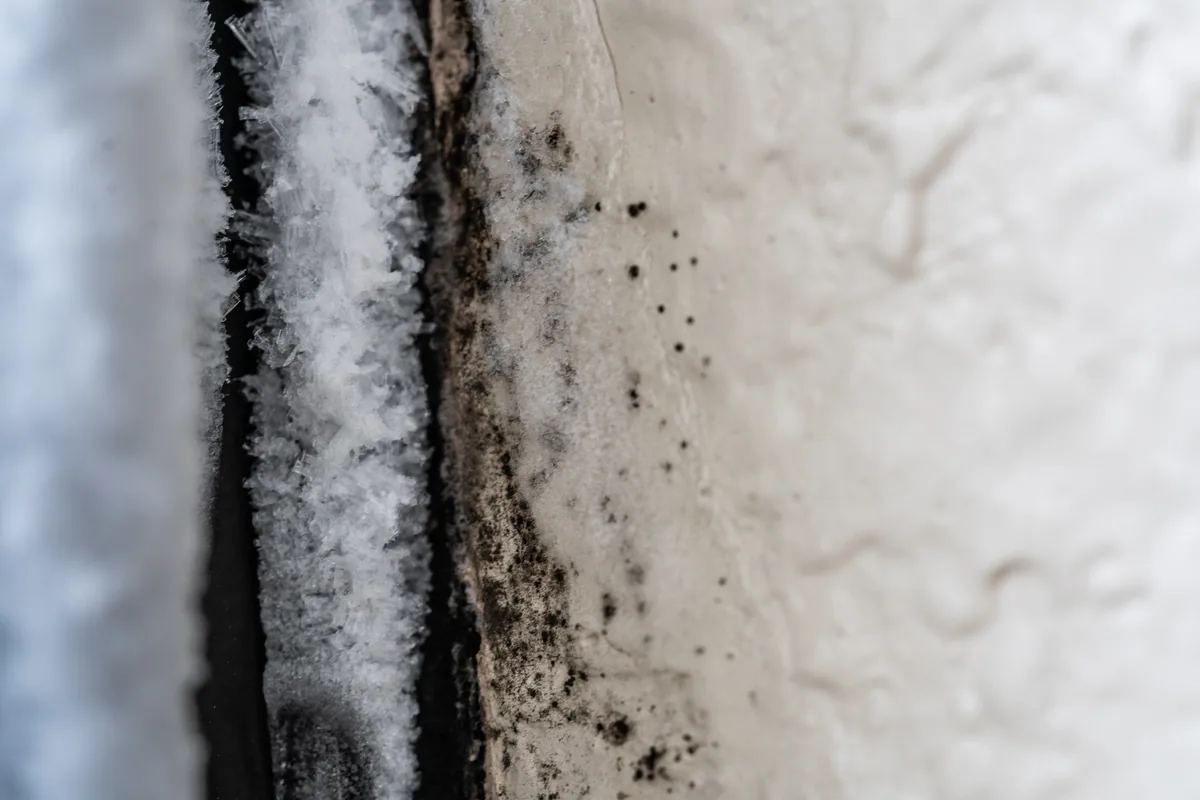
In winter, warm air rising into a poorly insulated attic can condense on the cold roof deck overnight, dampening the wood with no leak present.
For independent guidance on mold, moisture, and safe cleanup, see EPA: mold remediation in schools and commercial buildings and CDC: mold and health information.
What an Attic Inspection Involves
A thorough attic check reaches beyond the immediate area of concern.
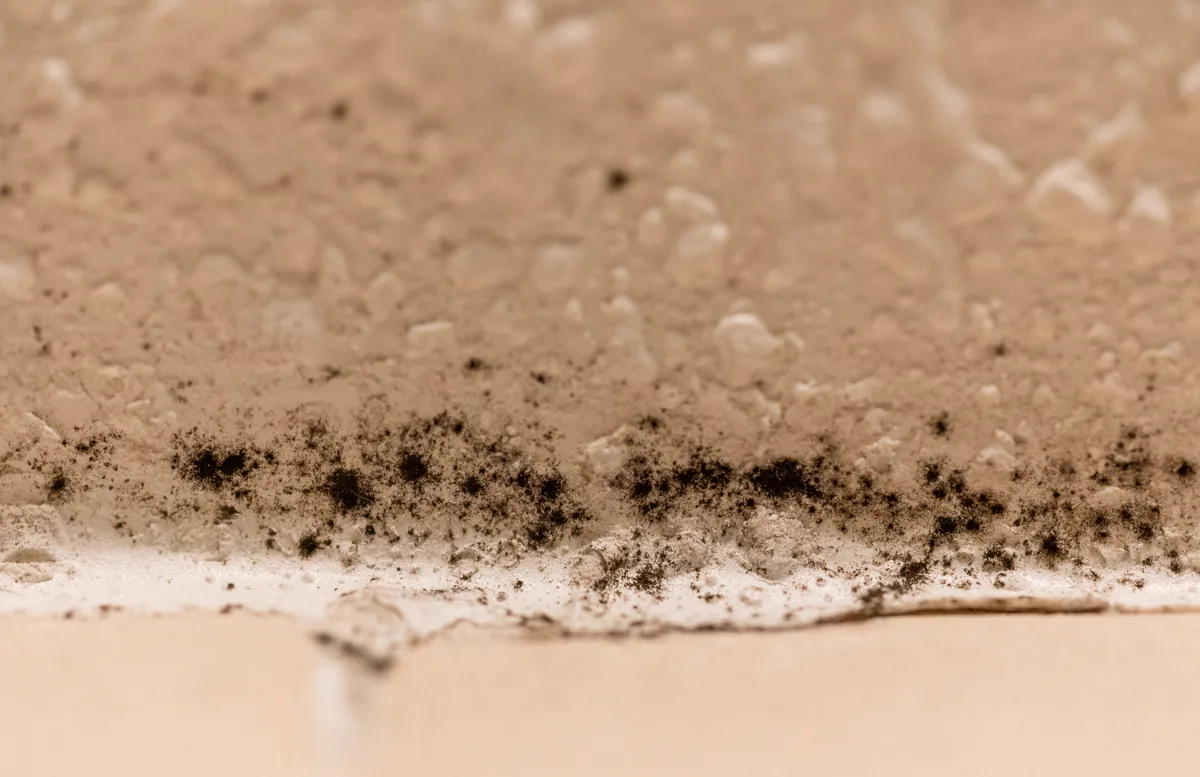
- Dark streaking or fuzzy Aspergillus and Cladosporium growth on sheathing and rafters
- Insulation that is compressed, matted, damp or discolored
- Where the bathroom and kitchen exhaust fans actually terminate
- Soffit baffles and ridge vents blocked by insulation or debris
- Staining around chimney flashing, vent pipes and skylight curbs
Removal With Insulation in Mind
Mold on wood sheathing can often be cleaned and treated. Insulation is different: once fiberglass or cellulose is wet and contaminated, it is removed.
The scope separates what needs replacing from what can be treated, so a roof section is not rebuilt unnecessarily.
Where broad condensation is the driver, staining can spread across whole bays of sheathing, expanding the treated area.
Batt and blown-in insulation show contamination differently. Batts compress and discolor, while blown-in material can hide damp fill under a dry top layer.
Addressing the Source of Moisture
A bath fan venting into the attic is documented, because leaving it makes a repeat problem likely.
Blocked soffits are also flagged. Attics need continuous airflow from soffit to ridge to shed moisture, and insulation piled against soffits chokes that airflow.
Roofing and HVAC repair sit outside the remediation scope. What is provided is specific details on what was found and why it matters for the next tradesperson.
Safe Work in a Tight Attic Space
Attics often have little headroom and walkable space. The crew is equipped for confined, low-clearance work, which is important for safety and proper completion.
Extra care is taken around loose-fill insulation and older wiring found in some Valley Park attics. Items not to be disturbed remain untouched and are noted.
Summer heat is a factor. A Saint Louis County attic can become extremely hot, so longer attic work is scheduled with that in mind.
After the job
After the job: keeping it from coming back
Ensure every bath and kitchen fan vents through the roof or a sidewall
Keep insulation clear of soffit baffles to maintain proper airflow
Inspect the roof deck after the first hard freeze and again after spring thaw
Seal attic hatch gaps and penetrations to limit air movement from the house
If it shows up again, or a new leak starts, call (844) 352-3560, the line is answered 24/7.
Good to know
Attic Mold Removal in Valley Park, MO: common questions
How do I know if I have attic mold?
Many homeowners never see it. Common signs are a musty smell near the hatch, dark streaking noticed during another attic task, or a bath fan venting into open space.
Does all the insulation get replaced?
Only insulation that is wet, compressed or contaminated is removed. Material outside the affected area is typically left in place, guided by moisture readings.
Will ventilation be checked even without visible mold?
Yes. A musty smell or general concern warrants an inspection of airflow, insulation and moisture levels, with findings provided in writing.
Is mold from a roof leak treated differently than mold from poor ventilation?
The removal process is similar. The corrective actions differ: a roof leak needs roofing repair, while a ventilation issue requires correcting the airflow or duct routing.
Can attic mold affect indoor air quality?
It can, particularly where air moves through ceiling penetrations or the hatch. Containment and depressurization during work prevent this spread.
Related services
More mold services in Valley Park, MO
Standards
Standards the work is done to in Valley Park
Questions about the scope? Call (844) 352-3560, open 24/7.
Talk to the mold removal team now
Need Attic Mold Removal in Valley Park, MO?
Call the 24/7 line and a local crew gets the problem contained fast, then removed the right way, to the IICRC S520 standard. A visit is often set the same day.