Valley Park, Missouri
Mold Removal in Valley Park, MO
Mold remediation in Valley Park involves inspection, containment, safe removal, and drying. Technicians can coordinate with insurance carriers from the initial call.
When you call
What happens when you call Valley Park's 24/7 line
Call (844) 352-3560 any hour. The line is answered 24/7 and insurance is accepted.
The process
The Mold Remediation process in Valley Park, MO
Inspect
The affected area is checked, moisture is measured, and the source is identified to create a written scope of work.
Contain
Plastic containment and negative air pressure isolate the work area to prevent spore spread.
Remove
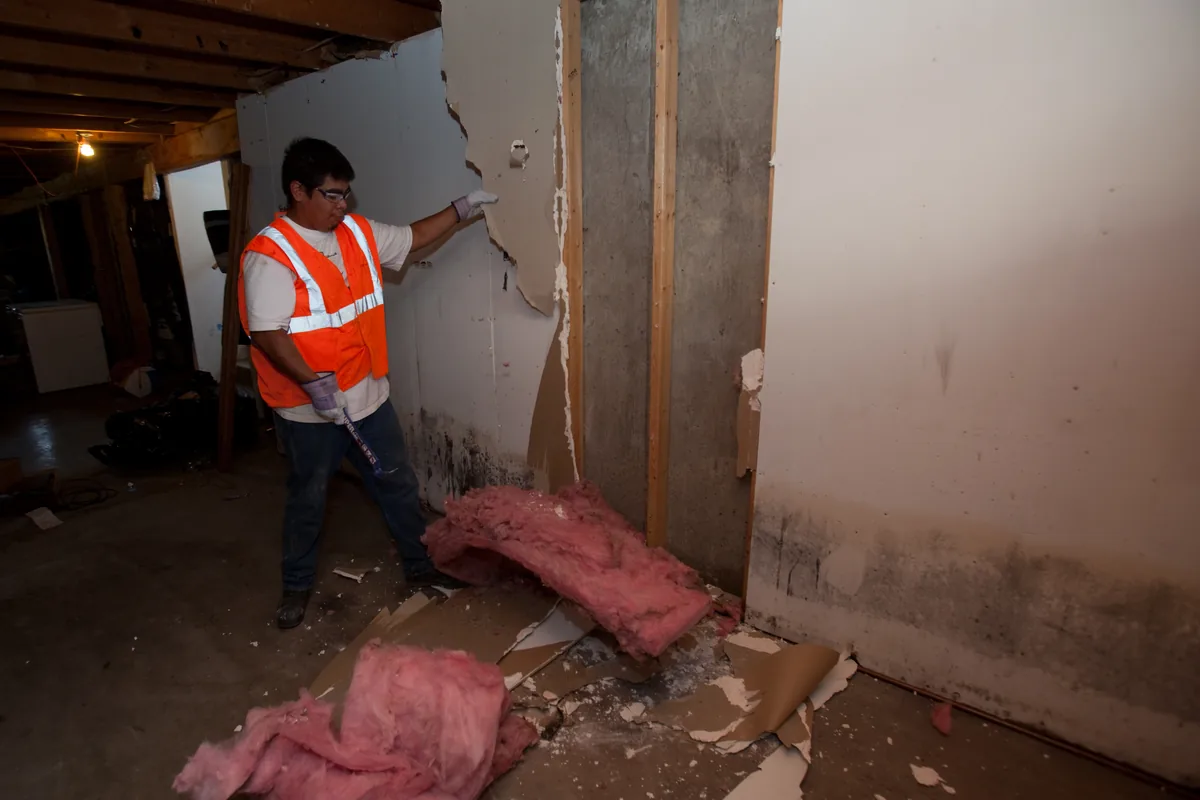
Contaminated porous materials are removed and bagged; salvageable surfaces are HEPA-vacuumed and treated.
Dry
Industrial air movers and dehumidifiers dry the structure to a level where mold cannot regrow.
Verify
A final moisture check confirms the area is dry and ready for reconstruction.
Why Valley Park homeowners call
Mold Remediation done to the IICRC S520 standard in Valley Park, MO
IICRC S520 Standard Procedures
Containment, negative air, HEPA filtration, and moisture verification follow the IICRC S520 standard.
Insurance Coordination
The service works with your insurance carrier on covered claims, handling documentation directly.
Valley Park Area Knowledge
Local technicians understand common moisture issues in Valley Park neighborhoods and housing types.
Documented Remediation
Each job includes photos, moisture readings, and a written scope documenting all work completed.
When to call
When to book Mold Remediation in Valley Park
- Visible growth covering over roughly 10 square feet
- A persistent musty odor after cleaning
- Water standing in the home for more than 48 hours
- Respiratory symptoms that improve when leaving the house
- Staining or soft drywall near a past leak
- Lab results showing high indoor spore counts
Any one of these is reason enough to call (844) 352-3560, the line is answered 24/7.
Scope of work
What the crew removes and treats in Valley Park homes
Drywall and gypsum
Cut out and removed, then bagged for disposal
Fiberglass insulation
Removed if damp, never dried in place
Framing and joists
HEPA-vacuumed, sanded if needed, and treated
Subfloor and OSB
Checked for moisture, dried or replaced as required
Carpet and pad
Padding discarded; carpet kept only if thoroughly dry
Ductwork and registers
Sealed during work, then cleaned before reactivation
Not sure how far the damage runs? Describe it on the phone at (844) 352-3560, the line is answered 24/7.
By location
Mold Remediation by city
Mold Remediation covers Valley Park and the whole Saint Louis County area. Pick your city for local detail and pricing.
Where the crews work
Mold Remediation across Valley Park & the Saint Louis County area
From Valley Park out to Twin Oaks, Manchester, Winchester, and the Saint Louis County area. The same crews, the same 24/7 line.
What it costs
Mold removal cost in Valley Park, MO
Every job is different, so these are the typical Missouri ranges. They are planning numbers, not a quote. Your price depends on how much mold there is, where it is, and what caused it.
A single moldy spot, a closet, or under a sink. The crew seals it off, removes it, and treats the surface.
A bathroom, kitchen, or bedroom with mold on a wall or ceiling, plus the moisture source fixed.
Larger areas that need more containment and drying. Common here after spring rain or a slow leak.
Mold across several rooms or after major water damage. The work runs in phases, room by room.
The surest way to get a firm number is to call and have the crew walk the space with you. Want a ballpark first? Try the instant mold remediation cost calculator. Filing a claim? Insurance is accepted and the contractor works with your carrier, so read the mold insurance claims guide.
Time and scope
How long Mold Remediation takes in Valley Park, and what is included
How long the job takes
The project duration depends on square footage, number of rooms affected, and moisture levels. The drying phase to target readings typically determines the completion date.
What is included, what is booked separately
- A written scope with photos and moisture readings post-inspection
- Containment with negative air pressure and HEPA filtration
- Removal and disposal of unsalvageable porous materials
- Structural drying and antimicrobial treatment of salvageable surfaces
- Documentation prepared for insurance claims
Booked separately: Mold inspection, Clearance testing, Rebuild and restoration.
For a firm schedule and a written scope, call (844) 352-3560, the line is answered 24/7.
On the job
Mold remediation work in Valley Park homes
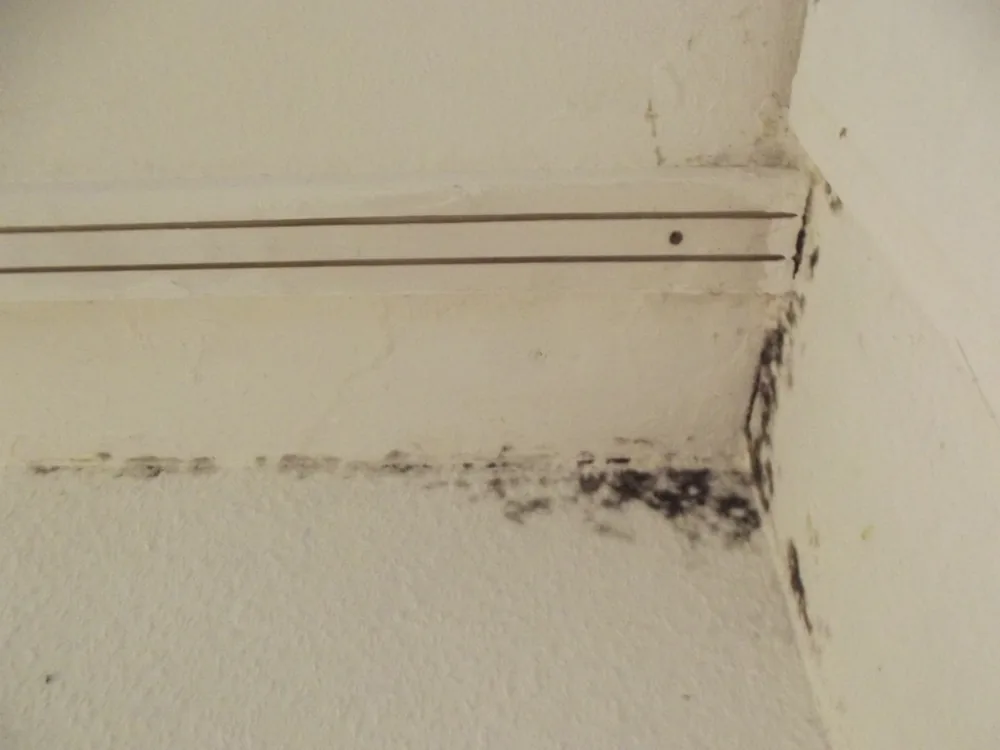

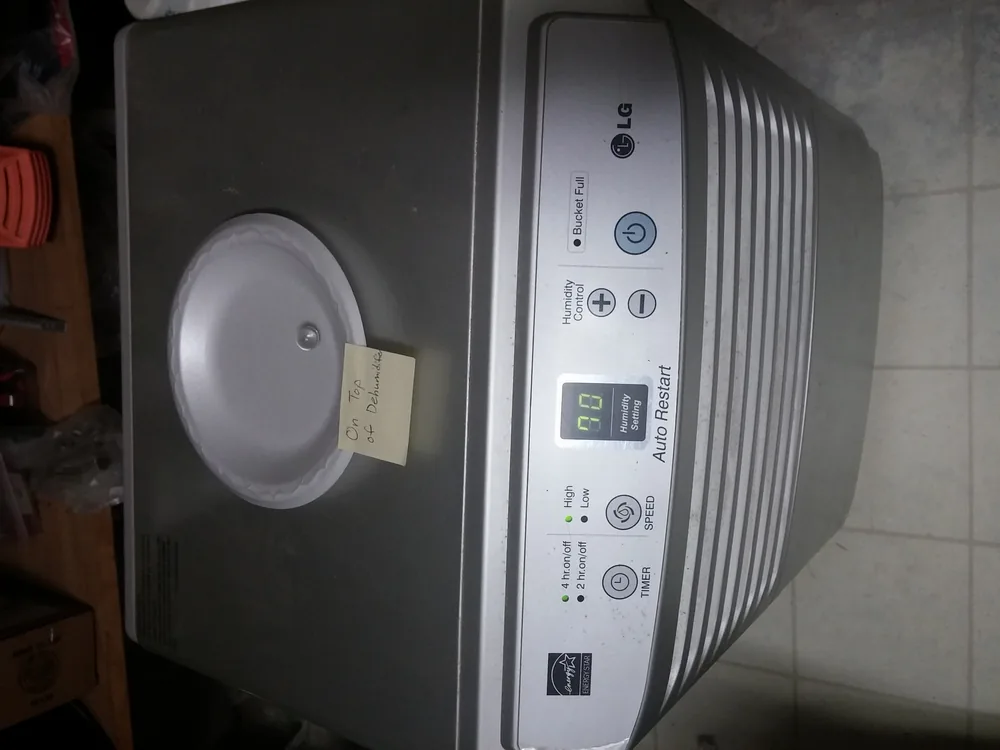
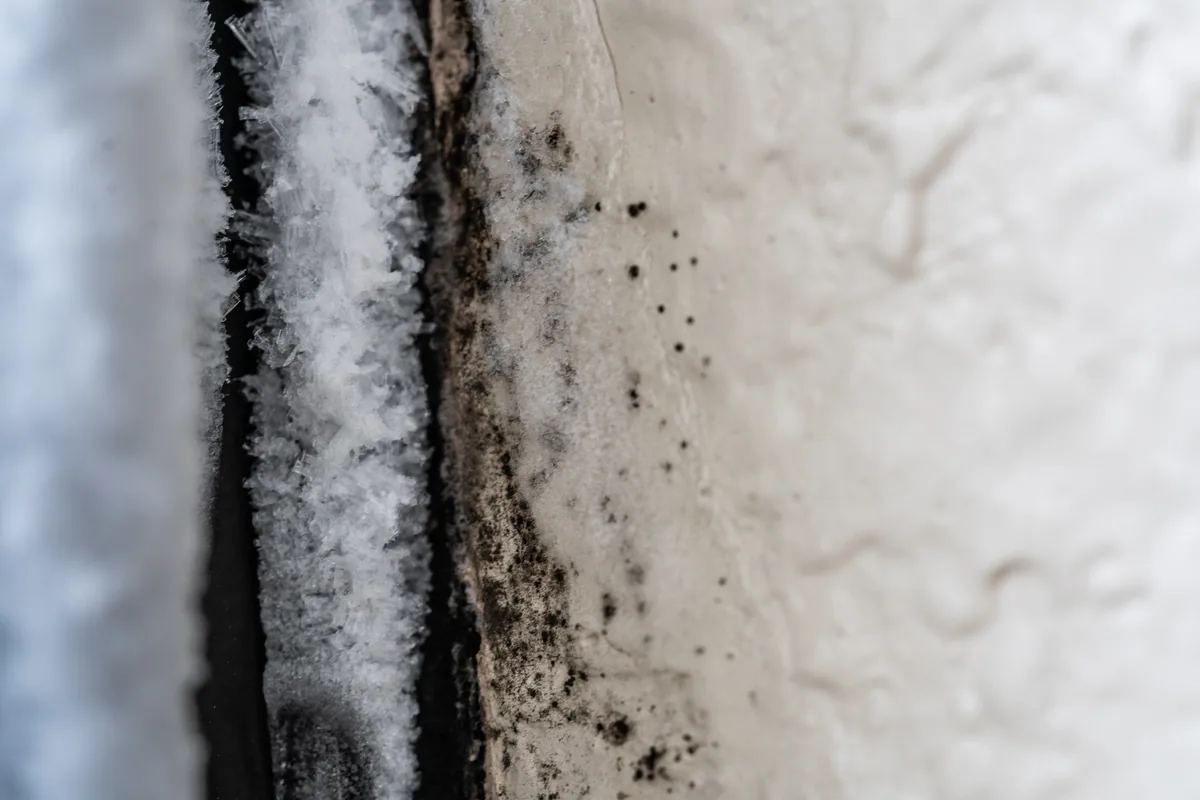

The Mold Remediation Process Explained
Mold remediation is a structured process of finding the moisture source, containing the area, removing contaminated material, and drying the space completely to prevent recurrence.
Common moisture sources in the area include foundation cracks from rain, attic condensation from appliances, or improper bathroom ventilation that traps humidity.
Without proper containment and drying, mold often returns quickly, which is why the IICRC S520 standard treats each job as a full process.
The scope of work is based on inspection findings. Two Valley Park homes with similar visible mold may require different remediation based on hidden spread.
For independent guidance on mold, moisture, and safe cleanup, see EPA: a guide to mold cleanup and moisture control and CDC: mold and health information.
- Moisture source identification, not just surface cleaning
- Containment barriers and negative air to stop cross-contamination
- Removal of porous, unsalvageable materials
- Structural drying with commercial dehumidifiers and air movers
- Post-remediation verification before the equipment comes out
When to Call for Mold Removal
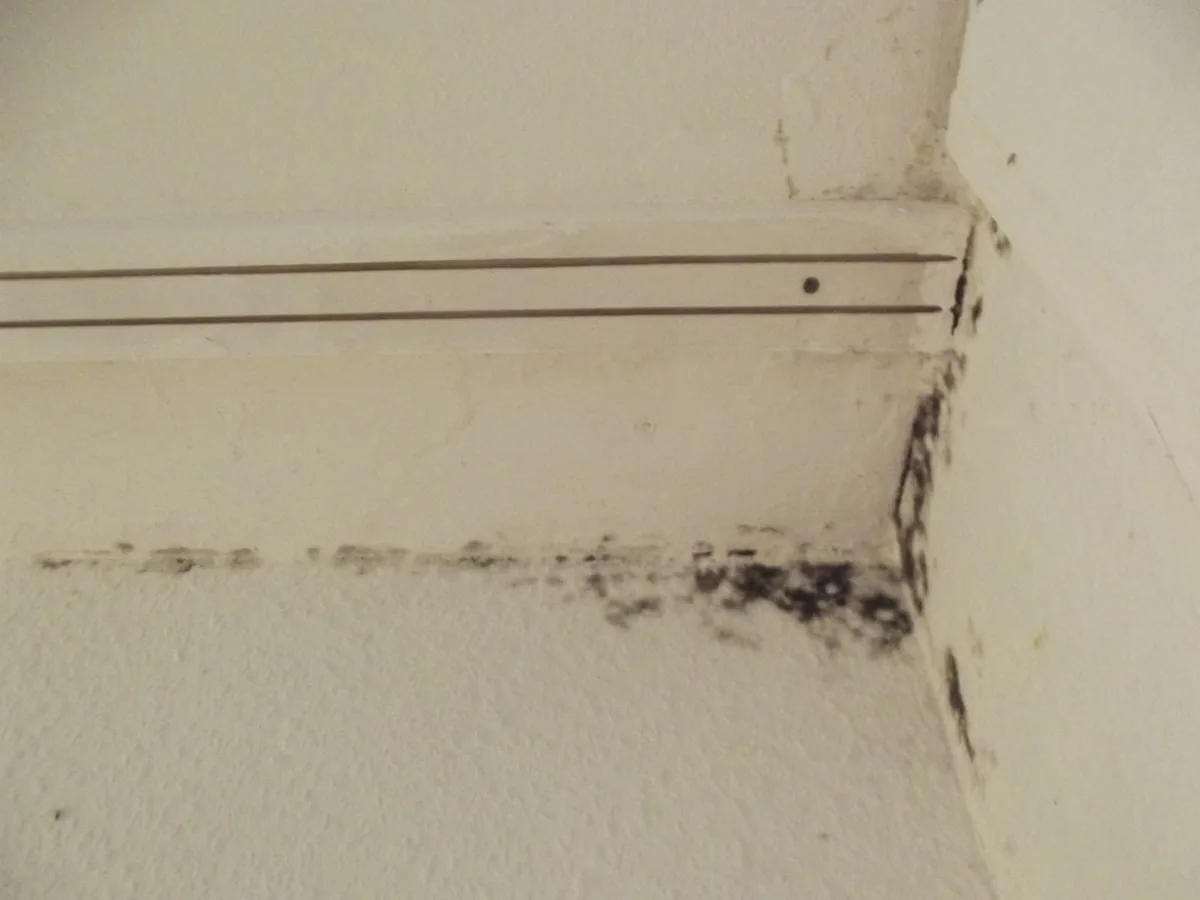
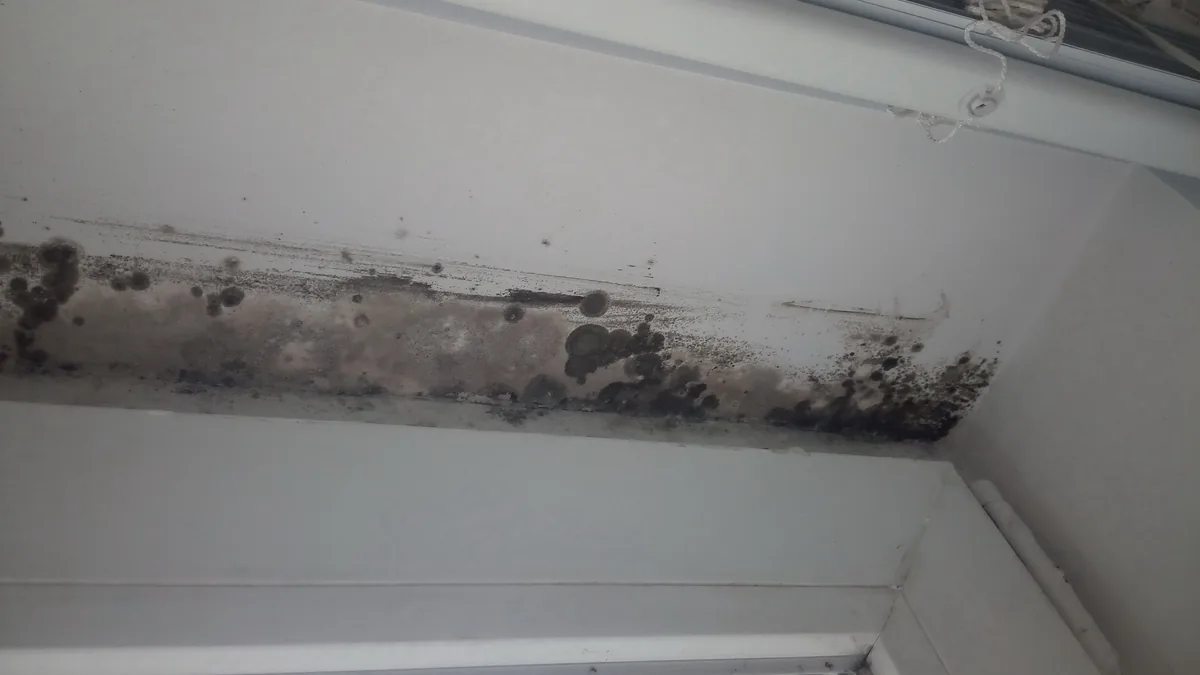
Surface mold on caulk is distinct from growth within drywall or framing, requiring different approaches.
Valley Park residents typically call for remediation due to a few common scenarios.
Renters noticing warning signs should inform their landlord promptly to coordinate remediation and repairs.
- A musty smell that won't go away, even after cleaning
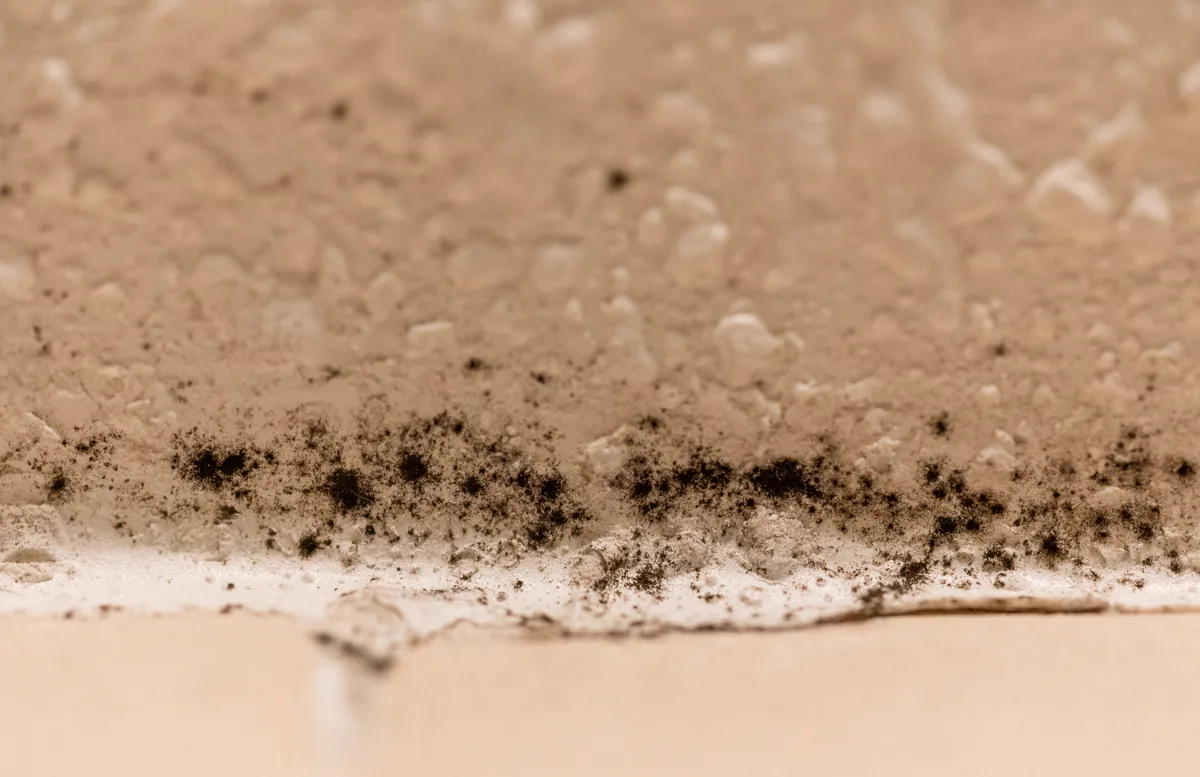
- Visible spotting on walls, ceilings, or baseboards
- A recent leak, flood, or roof problem in the home
- Allergy or respiratory symptoms that ease up once someone leaves the house
- Warped drywall, peeling paint, or soft spots in the flooring
Homeowner Cleaning vs. Professional Remediation
Small, isolated mold on non-porous surfaces like tile can often be cleaned by a homeowner with proper supplies and ventilation.
When mold covers several square feet, appears on multiple materials, or returns after cleaning, professional remediation is needed. The EPA suggests professional help for areas over roughly 10 square feet.
The primary risk of DIY on larger areas is disturbing mold without containment, potentially spreading spores to clean rooms.
The local climate can be favorable for managing small spots if the moisture source is fixed, making regrowth less likely than in humid regions.
However, dry outdoor air does not affect mold inside walls or under flooring, where surface cleaning is insufficient.
Describing what you see to the 24/7 line can help determine if professional remediation is necessary or if the area is manageable.
How Removal Methods Are Chosen
Porous materials like drywall and insulation often require removal because mold grows within them, not just on the surface.
Salvageable solid surfaces like wood framing or concrete can be HEPA-vacuumed, treated, and retained, reducing rebuild costs.
These decisions are made room-by-room and explained on site, with only necessary material removed.
Valley Park Factors Affecting Mold
The local climate generally has lower mold pressure, which can lead to surprise when issues arise in Valley Park homes.
Older properties in the area often have basements or crawl spaces lacking modern moisture controls.
Newer homes in Saint Louis County neighborhoods feature tighter construction but remain at risk from seal failures or leaks.
Spring runoff, humidity swings, and appliance condensation are frequent triggers for mold service calls in Valley Park.
After the job
After the job: keeping it from coming back
Maintain indoor humidity between 30 and 50 percent using a hygrometer.
Permanently address the moisture source, such as fixing grading or plumbing leaks.
Ensure bathroom and kitchen exhaust fans vent outdoors, not into attics.
Check basements and crawl spaces each spring for new water staining.
If it shows up again, or a new leak starts, call (844) 352-3560, the line is answered 24/7.
Good to know
Mold Remediation in Valley Park, MO: common questions
How long does mold remediation take?
Most Valley Park residential jobs take a few days to a week, depending on the extent of removal and drying time. A timeline is provided after inspection.
Is mold removal covered by insurance?
Coverage varies by policy and cause. The service works directly with insurance carriers on approved claims and can discuss your policy details.
Is the work done to a recognized standard?
Yes. Remediation follows the IICRC S520 standard, including containment, HEPA filtration, material removal, drying, and verification.
Do I need to leave during remediation?
Depending on the work zone's size and location, many residents stay in unaffected parts of the home. The area is sealed with containment and negative air.
Can I clean mold myself?
Small surface mold on non-porous materials can sometimes be cleaned. For larger areas or growth in porous materials, professional removal is recommended.
Related services
More mold services in Valley Park, MO
Standards
Standards the work is done to in Valley Park
Questions about the scope? Call (844) 352-3560, open 24/7.
Talk to the mold removal team now
Need Mold Remediation in Valley Park, MO?
Call the 24/7 line and a local crew gets the problem contained fast, then removed the right way, to the IICRC S520 standard. A visit is often set the same day.