Valley Park, Missouri
Wood Framing Mold Removal in Valley Park, MO
Wood framing mold removal in Valley Park cleans, treats, and dries exposed studs and joists so the wall can close back up, preserving structural lumber when possible.
When you call
What happens when you call Valley Park's 24/7 line
Call (844) 352-3560 any hour. The line is answered 24/7 and insurance is accepted.
The process
The Wood Framing Mold Removal process in Valley Park, MO
Assess
A probe and moisture meter check how deep discoloration goes and whether the wood's structural integrity is affected.
Clean
Surface mold and staining are removed with HEPA sanding or soda media blasting, depending on the wood and access.
Treat
An EPA-registered antimicrobial is applied to inhibit regrowth on the treated surfaces.
Verify dryness
Framing must hit a documented moisture reading before it is cleared to be closed back up.
Document
Photos and moisture logs of the treated framing stay on file for records or an insurance claim.
Why Valley Park homeowners call
Wood Framing Mold Removal done to the IICRC S520 standard in Valley Park, MO
Framing is saved when genuinely salvageable
Cleaning and treatment come before replacement whenever the condition of the wood supports it, keeping the rebuild smaller.
HEPA-filtered cleaning methods
Sanding and media blasting run with filtration that captures dust and spores instead of pushing them into the rest of the house.
Rot is caught, not just staining
Probe and moisture checks flag wood that needs more than surface cleaning before it disappears behind new drywall.
Documented, accountable work
Photos, moisture logs, and a written scope of the treated framing stay on file for a claim or future reference.
When to call
When to book Wood Framing Mold Removal in Valley Park
- Drywall came off and the studs behind it are stained dark
- Joists over a crawl space show fuzzy white or grey growth
- A slow leak went undetected inside a wall for months
- The sill plate near the foundation reads wet on a meter
- A rebuild is scheduled and the framing hasn't been cleared yet
- Attic sheathing and rafters show black staining near the ridge
Any one of these is reason enough to call (844) 352-3560, the line is answered 24/7.
Scope of work
What the crew removes and treats in Valley Park homes
Wall studs
HEPA-sanded, then coated with an EPA-registered antimicrobial
Floor and ceiling joists
Media blasted where access is tight, then treated
Sill plate
Probed closely for rot, cleaned, and dried
OSB and plywood sheathing
Sanded lightly; delaminated sections cut out instead
Encapsulant coating
Applied where framing stays slightly discolored after sanding
Not sure how far the damage runs? Describe it on the phone at (844) 352-3560, the line is answered 24/7.
By location
Wood Framing Mold Removal by city
Wood Framing Mold Removal covers Valley Park and the whole Saint Louis County area. Pick your city for local detail and pricing.
Where the crews work
Wood Framing Mold Removal across Valley Park & the Saint Louis County area
From Valley Park out to Twin Oaks, Manchester, Winchester, and the Saint Louis County area. The same crews, the same 24/7 line.
What it costs
Mold removal cost in Valley Park, MO
Every job is different, so these are the typical Missouri ranges. They are planning numbers, not a quote. Your price depends on how much mold there is, where it is, and what caused it.
A single moldy spot, a closet, or under a sink. The crew seals it off, removes it, and treats the surface.
A bathroom, kitchen, or bedroom with mold on a wall or ceiling, plus the moisture source fixed.
Larger areas that need more containment and drying. Common here after spring rain or a slow leak.
Mold across several rooms or after major water damage. The work runs in phases, room by room.
The surest way to get a firm number is to call and have the crew walk the space with you. Want a ballpark first? Try the instant mold remediation cost calculator. Filing a claim? Insurance is accepted and the contractor works with your carrier, so read the mold insurance claims guide.
Time and scope
How long Wood Framing Mold Removal takes in Valley Park, and what is included
How long the job takes
Cleaning the wood is usually one day. Drying the framing to its target reading is what extends the job, especially in a crawl space or exterior wall that releases moisture slowly.
What is included, what is booked separately
- Probe and moisture assessment of every exposed member
- HEPA sanding or soda media blasting of affected framing
- EPA-registered antimicrobial treatment, plus encapsulant where needed
- Drying the framing to a documented moisture target
- Photo and moisture logs of the treated framing
Booked separately: Structural repair and rebuild, Wall and drywall mold removal, Crawl space encapsulation.
For a firm schedule and a written scope, call (844) 352-3560, the line is answered 24/7.
On the job
Mold remediation work in Valley Park homes
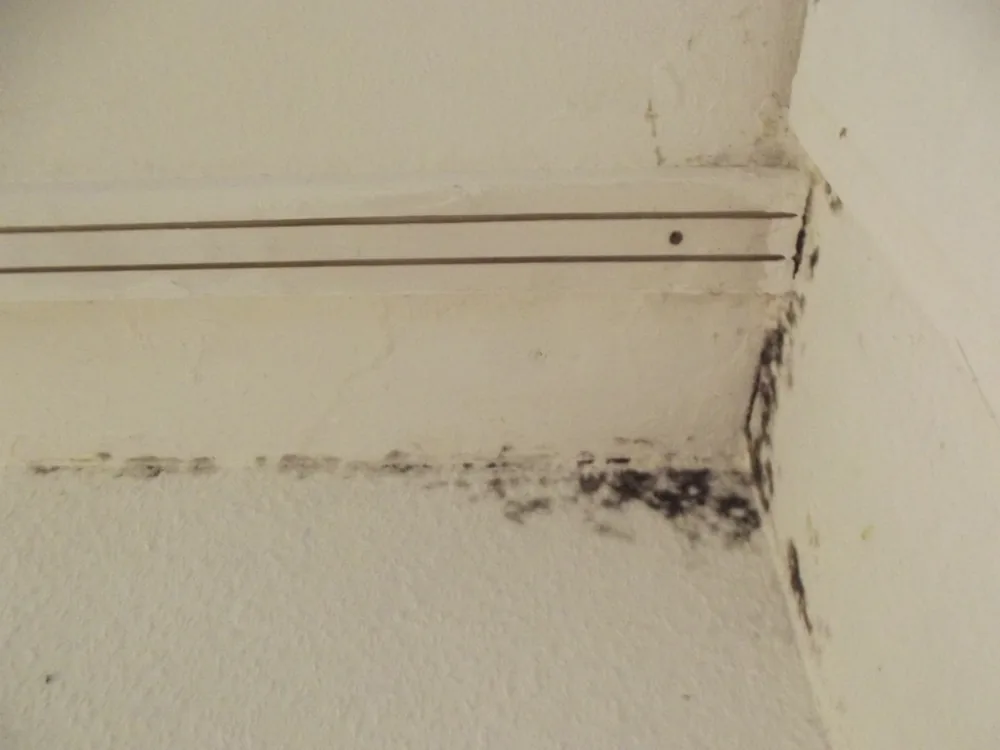

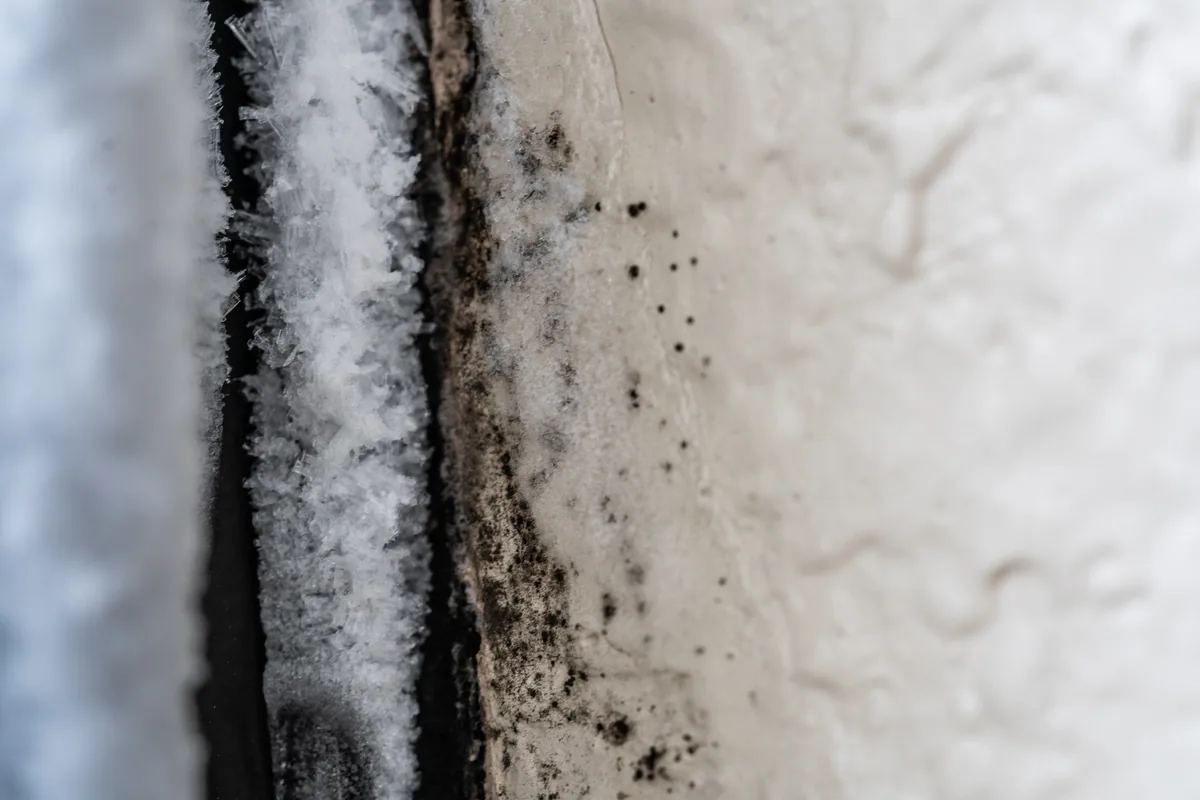

Framing Differs From Drywall and Insulation
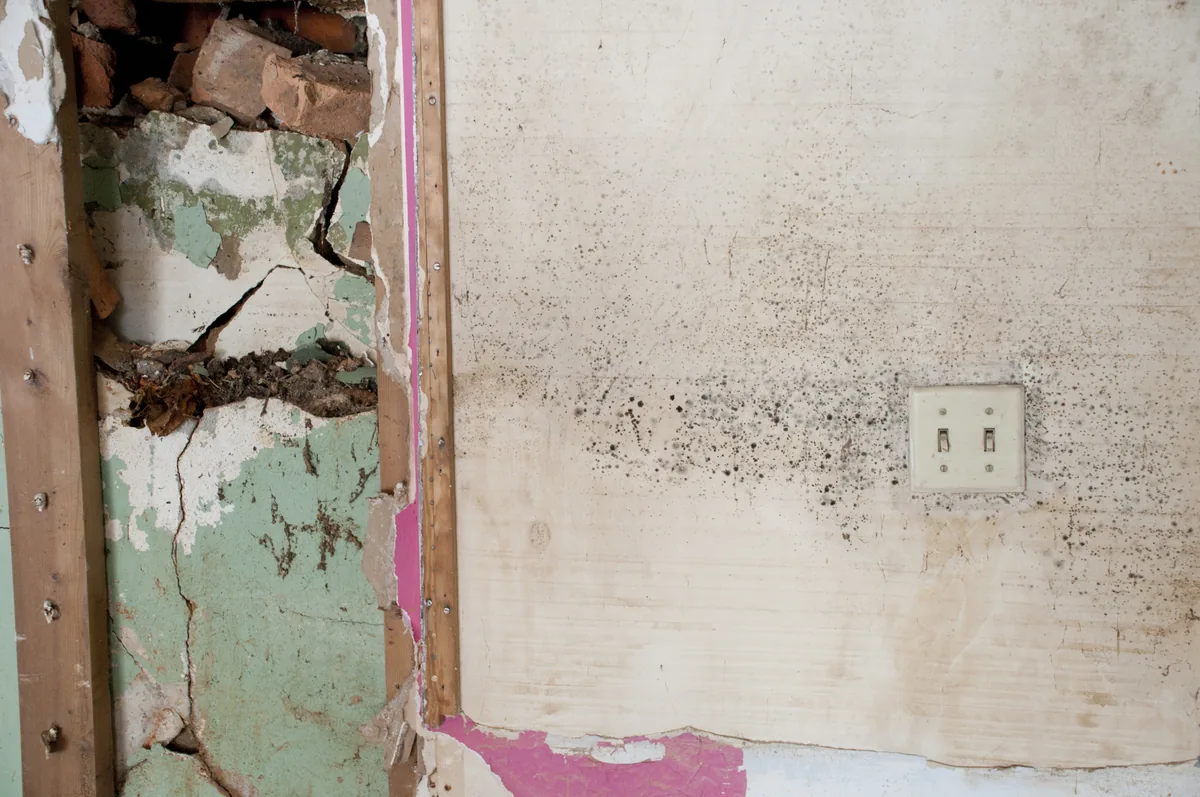
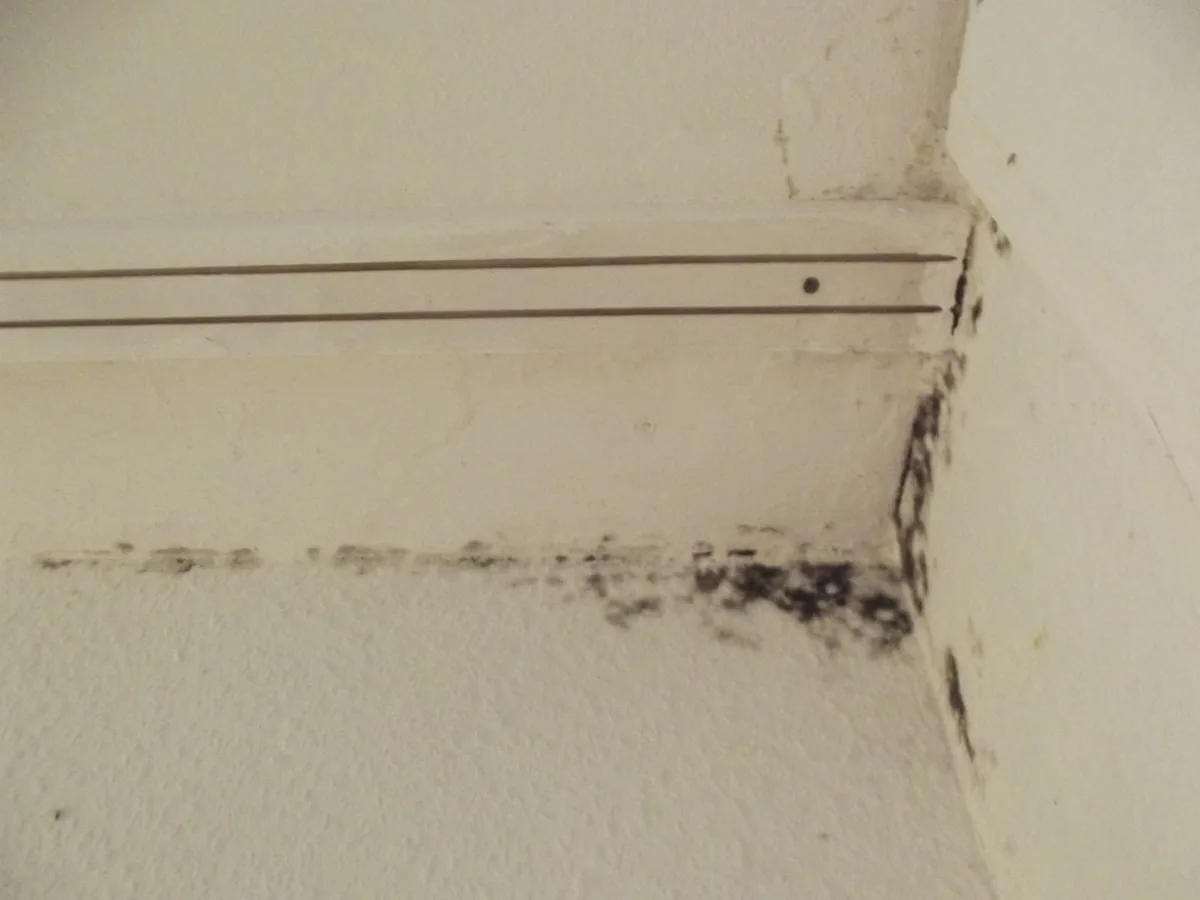
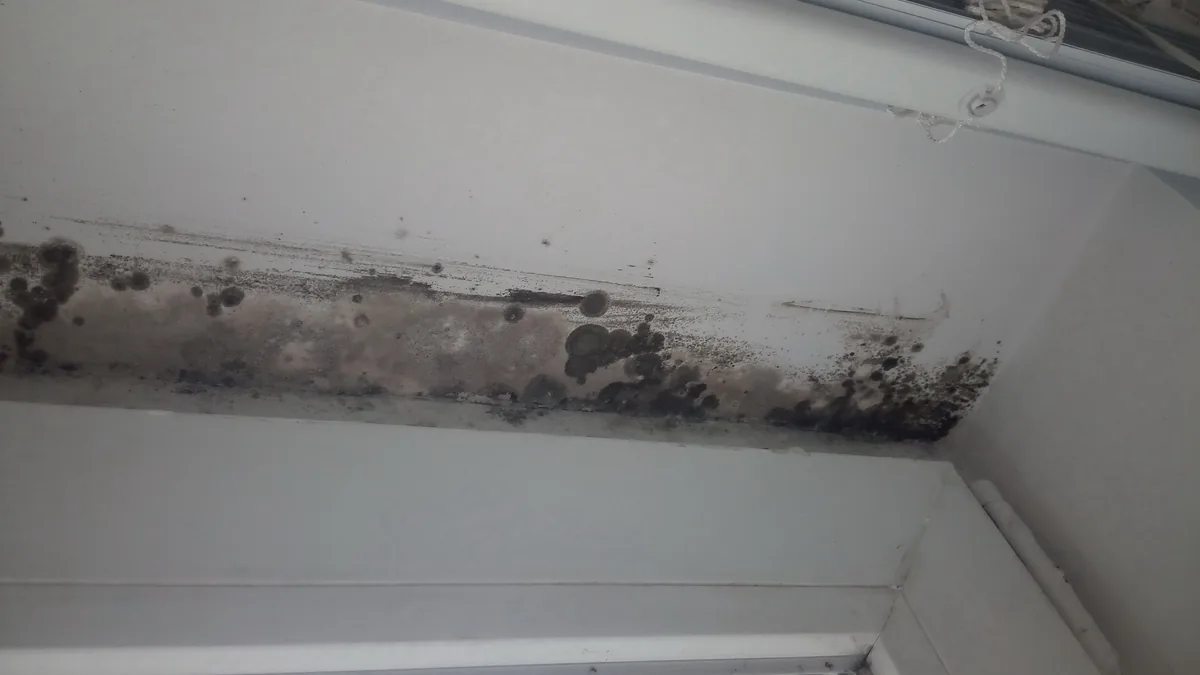
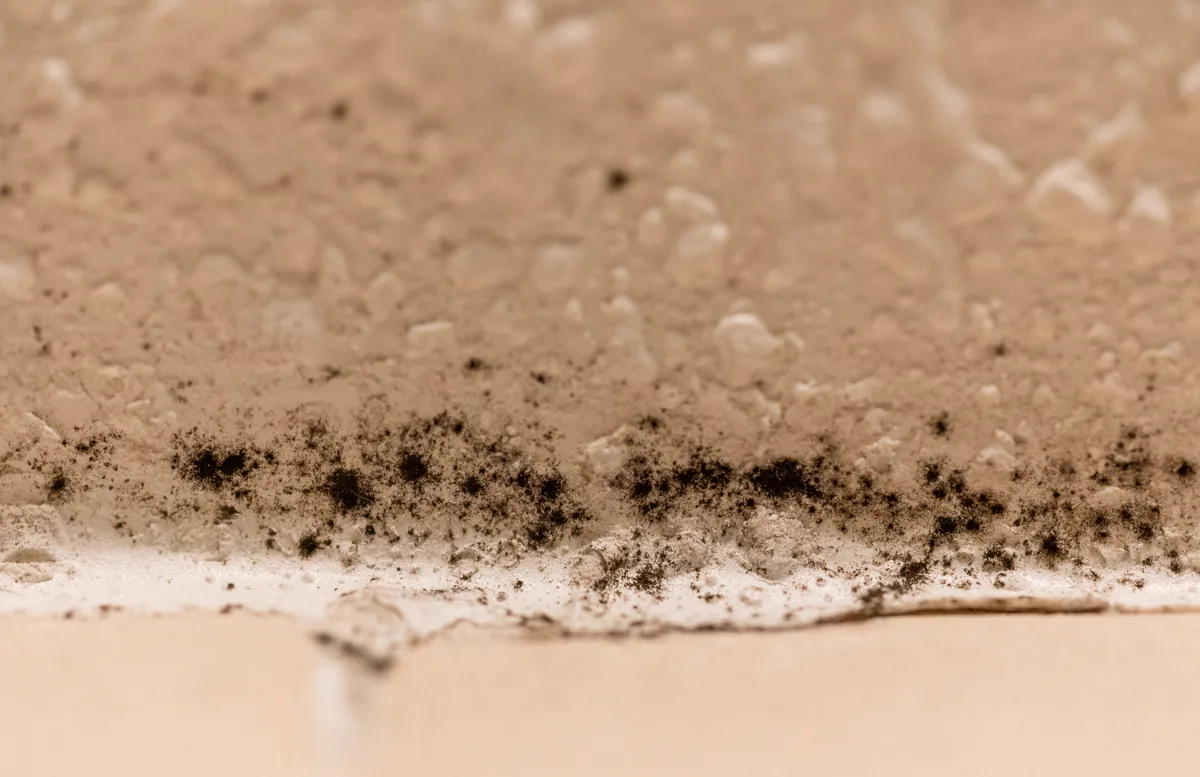
When drywall comes out during remediation, the exposed structural skeleton of the house, studs, joists, and sill plates, is left. That wood is dense, so mold often stays on the surface rather than penetrating deeply like it does with drywall paper.
This is generally positive, as it means most framing mold is treatable rather than requiring structural lumber replacement, which is a larger and more expensive job.
The exception is wood that has been wet for a long time, sometimes under a slow, undetected leak, where the lumber itself has softened or rotted. That becomes a structural conversation, not just a mold one.
Framing that is part of a load-bearing wall receives extra attention during assessment, since any structural question there needs a clear answer before cleaning is chosen.
For independent guidance on mold, moisture, and safe cleanup, see EPA: a guide to mold cleanup and moisture control and EPA: mold remediation in schools and commercial buildings.
How Structural Wood Gets Cleaned in Valley Park
HEPA sanding lifts surface mold and staining off framing while a filtered vacuum attachment captures dust and spores, preventing them from scattering into the room.
For rougher or less accessible framing, media blasting with a soft abrasive strips mold without damaging the wood grain.
After cleaning, an EPA-registered antimicrobial is applied to the wood surface to help inhibit future growth if moisture returns.
Access decides the method. A stud in an open, gutted room sands cleanly; framing in a tight Valley Park crawl space or attic often calls for blasting due to limited maneuverability.
When Framing Needs More Than Cleaning
Sometimes what appears to be surface mold on framing turns out to be early rot once a probe and moisture meter are used. Softened, spongy wood does not respond to cleaning and treatment like solid lumber does.
In that case, the affected member is clearly flagged. Sistering new lumber next to a compromised stud or joist is a structural repair, coordinated within a broader restoration scope.
- Surface staining on solid, firm wood: clean and treat
- Deep discoloration with soft, sponge-like texture: structural evaluation needed
- Sill plates near a foundation with chronic moisture: check closely, these take the most exposure
Why This Step Matters Before Closing Walls
It is tempting to rush to new drywall once a room looks empty and clean, but framing that still shows mold or hasn't fully dried will cause problems again once sealed behind new material.
Framing must be both visually clean and at a documented moisture level before a wall or ceiling is approved to close, protecting the rebuild.
Older Growth Rings and Valley Park Framing Lumber
Many Missouri homes were built with dimensional lumber denser than much of what is milled today, which can hold up better against surface mold penetration.
That does not make older framing immune, especially where it has been repeatedly wetted over a long period, but it means surface-level growth that responds well to cleaning is often found.
Every piece is still checked on its own merits. Age and lumber type are context, not a substitute for testing the wood in front of the technician.
After the job
After the job: keeping it from coming back
Fix the leak or grading problem that wet the framing before closing the wall.
Keep crawl space humidity under 55 percent with a dehumidifier or vapor barrier.
Leave an access panel where the slow leak was found so it can be rechecked.
Recheck the sill plate each spring after runoff against the foundation.
If it shows up again, or a new leak starts, call (844) 352-3560, the line is answered 24/7.
Good to know
Wood Framing Mold Removal in Valley Park, MO: common questions
Is moldy wood framing always replaced?
No. Solid framing lumber with surface mold can usually be cleaned and treated instead. Replacement is reserved for wood that is soft, rotted, or structurally compromised.
Is the antimicrobial treatment safe for the home?
EPA-registered antimicrobial products are applied according to label instructions, and the area is ventilated through the drying phase before anything is closed back up.
How long before framing can be closed back up?
It depends on the wood's starting moisture level and drying conditions, often a few days. No wall is approved to close until the framing hits its target reading.
How can you tell if wood needs replacing versus cleaning?
Texture and firmness are checked with a probe alongside moisture readings. Solid, firm wood with surface staining gets cleaned and treated; soft or spongy wood signals rot and needs a structural evaluation.
Can framing be treated without removing all the drywall?
Where drywall has already come out for another reason, exposed framing gets treated while accessible. Intact drywall is not removed solely to treat framing that shows no sign of a problem.
Related services
More mold services in Valley Park, MO
Standards
Standards the work is done to in Valley Park
Questions about the scope? Call (844) 352-3560, open 24/7.
Talk to the mold removal team now
Need Wood Framing Mold Removal in Valley Park, MO?
Call the 24/7 line and a local crew gets the problem contained fast, then removed the right way, to the IICRC S520 standard. A visit is often set the same day.