St. Louis, Missouri
Sewage Mold Remediation in St. Louis, MO
The remediation crew handles sewage mold remediation for St. Louis homes and businesses, working to the IICRC S520 standard. Same-day response, open 24/7, insurance accepted.
When you call
What happens when you call St. Louis's 24/7 line
Call (844) 352-3560 any hour. The line is answered 24/7 and insurance is accepted.
The process
The sewage mold remediation process in St. Louis, MO
Inspect
The impacted area from the sewage backup is fully assessed and documented to establish the scope of contamination and mold presence.
Contain
The work area is sealed with containment barriers under negative air pressure, and technicians utilize full personal protective equipment.
Remove
Porous materials contaminated by Category 3 water are removed and properly disposed of according to established safety protocols.
Dry
The structure undergoes thorough drying, followed by disinfection and antimicrobial application to address remaining moisture and microbial risks.
Verify
Final moisture readings and a visual inspection confirm the space is clean, dry, and safe before the remediation is considered complete.
Where the crews work in St. Louis
St. Louis neighborhoods the crew covers
From Hillsdale to Kirkwood, crews handle mold in basements, bathrooms, and attics across the City of Saint Louis, often providing same-day response.
What it costs
Sewage Mold Remediation cost in St. Louis, MO
Every job is different, so here are the typical Missouri ranges for this kind of work. These are planning numbers, not a quote.
A single moldy spot, a closet, or under a sink. The crew seals it off, removes it, and treats the surface.
A bathroom, kitchen, or bedroom with mold on a wall or ceiling, plus the moisture source fixed.
Larger areas that need more containment and drying. Common here after spring rain or a slow leak.
Mold across several rooms or after major water damage. The work runs in phases, room by room.
The surest way to get a firm number is to call and have the technician walk the space first. Want a ballpark now? Try the instant mold remediation cost calculator. Filing a claim? Insurance is accepted and the contractor works with your carrier, so read the mold insurance claims guide.
Local knowledge
Sewage Mold Remediation for St. Louis, MO homes
Sewage Mold Remediation in St. Louis tends to start the same way mold does across City of Saint Louis: older St. Louis architecture with finished basements and lower ventilation that allows damp air to linger. When that moisture sits for even a day or two, mold takes hold, and that is when homeowners from Hillsdale, University City, Pine Lawn and the rest of St. Louis pick up the phone.
Sewage mold remediation for St. Louis is handled the right way. The technicians find and fix the moisture source first, because mold always returns if the water problem is left behind, then the area is contained and the mold is removed safely.
St. Louis is about 17 miles from Valley Park, so a crew can usually be there the same day you call. The methods follow public guidance from the EPA and the CDC on handling indoor mold safely.
St. Louis specifics
Why St. Louis homes need Sewage Mold Remediation
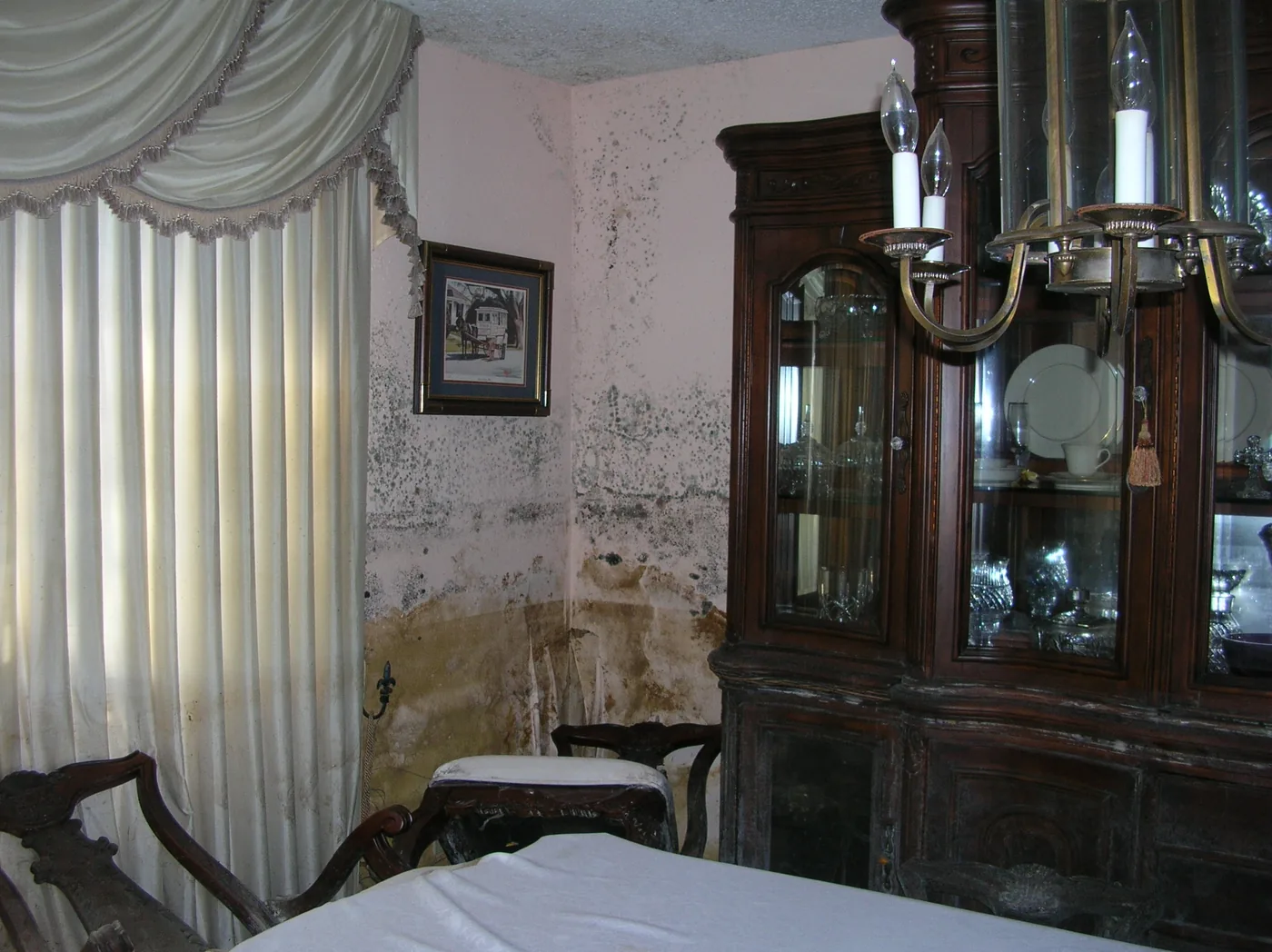
A St. Louis home that needs Sewage Mold Remediation almost always has a moisture story behind it, and it usually starts with older St. Louis architecture with finished basements and lower ventilation. By the time a family calls about Sewage Mold Remediation, they have usually already seen a musty smell or a spreading stain. What sets Sewage Mold Remediation apart is where it hides: the affected flooring, walls, and everything porous, exactly where homeowners rarely look. For a home in this area, sewage mold remediation starts with finding the moisture, because the water is what feeds the mold.
Most Sewage Mold Remediation jobs in the area trace back to older St. Louis architecture with finished basements and lower ventilation, a pattern local crews run into week after week. Around here, sewage mold remediation tends to settle into the affected flooring, walls, and everything porous before anyone in the house notices it. Sewage Mold Remediation is kept contained and tidy, so the rest of the home near Mehlville stays livable while the work runs. If you have noticed a musty smell or a spreading stain in your home, sewage mold remediation is worth a call before the damp reaches the framing.
A Sewage Mold Remediation visit tends to run like this:
- Recheck the space and document the work for your records
- Dry the structure with commercial equipment until readings normalize
- HEPA vacuum, clean, and treat the surrounding surfaces
- Inspect the affected area and find the moisture feeding the mold
- Remove moldy material to the IICRC S520 standard
St. Louis is about 17 miles from Valley Park, so sewage mold remediation often happens the same day you call.
Standards
Standards the work is done to in Valley Park
Questions about the scope? Call (844) 352-3560, open 24/7.
Good to know
Sewage Mold Remediation in St. Louis, MO: common questions
How does a sewage backup differ from a regular water leak?
Sewage is Category 3 contaminated water, presenting health hazards that clean water does not, which is why contaminated porous materials are removed instead of salvaged.
Does sewage lead to mold growth more quickly?
The organic matter in sewage combined with moisture can create conditions favorable for mold growth, sometimes within 24 to 48 hours, making a prompt response important.
Is sewage backup damage covered by insurance?
Coverage varies by individual policy and may require a specific endorsement. Remediation services are documented to assist with the insurance claim process.
How do you keep the mold from coming back after sewage mold remediation?
The moisture source is fixed first, not just the mold, then the structure is dried and rechecked. That is what keeps mold from returning to a St. Louis home.
Can I clean up a sewage backup myself?
Direct contact should be avoided. A remediation crew has the necessary protective equipment and follows disinfection and disposal protocols to manage health risks.
What items are typically removed after a sewage backup?
Porous materials that contacted the sewage, such as carpet, padding, and lower sections of drywall, are generally removed and disposed of rather than cleaned.
Is sewage mold remediation in St. Louis done to a real standard?
Yes. The remediation crew works to the IICRC S520 standard for mold remediation, the same framework insurers and inspectors recognize across City of Saint Louis.
Do you serve St. Louis?
Yes. Local contractors cover all of St. Louis, including Hillsdale, University City, Pine Lawn, and the rest of the St. Louis area. The line is answered around the clock, and a visit is often set the same day you call.
More help in St. Louis
Other mold services in St. Louis, MO
Nearby
Sewage Mold Remediation in nearby cities
Talk to the mold removal team now
Need sewage mold remediation in St. Louis, MO?
The 24/7 line reaches the remediation team directly. Same-day response, insurance accepted, and the work is done to the IICRC S520 standard.